Krzysztof Kieślowski · 1941–1996

Metrograph is running a full retrospective through early May.

Kieślowski began as a Polish documentarian in the 1960s and ended as cinema's purest mystic of chance and connection. He made films that look like ordinary European drama and feel like short stories by Borges: two strangers carrying the same secret across a border, a widow hearing her dead husband's unfinished concerto coil up out of the drain of a Paris apartment, a young man watching his own life unspool three different ways from the same three seconds of running for a train.

His signature is a color palette run through a single filter — green for A Short Film About Killing, gold for Véronique, then blue, white, red for the trilogy. His collaborators were a small repertory company: cinematographer Sławomir Idziak (who often lit him from behind a pane of coloured glass), composer Zbigniew Preisner (whose fabricated "Van den Budenmayer" arias haunt half the filmography), co-writer Krzysztof Piesiewicz. His obsessions were moral weight, eavesdropping, doubles, foreknowledge, and the thin membrane between souls.

After Three Colors: Red in 1994 he announced he would never make another film. Two years later he died during heart surgery, age 54. What he left behind — three shorts, a ten-part TV cycle, three Three Colors, and seven other features — is what cinema's moral ceiling looks like.
Playing & upcoming at Metrograph
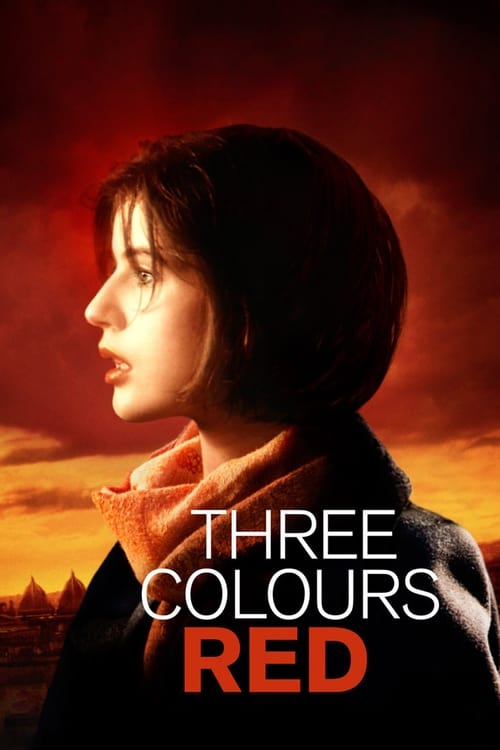
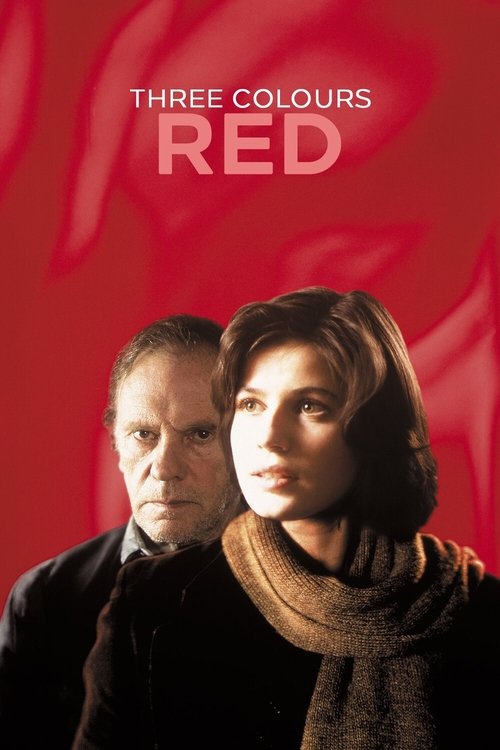
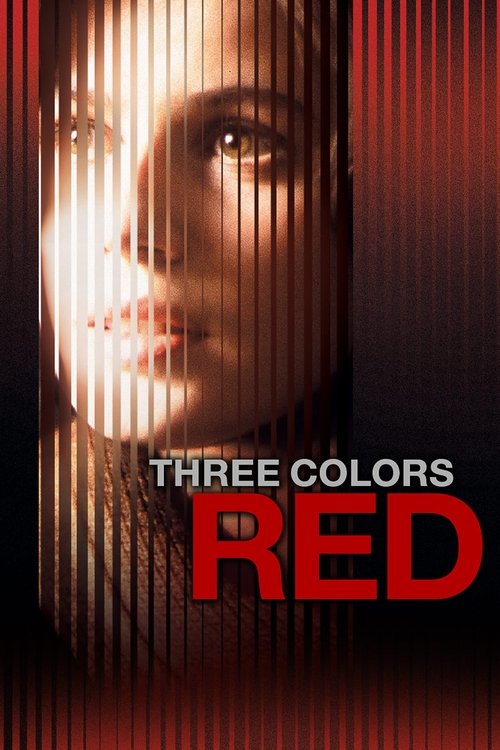
Three Colors Red poster 1 Three Colors Red poster 2 Three Colors Red poster 3
TOMORROW · APR 14
Three Colors: Red
🇫🇷/🇵🇱 French/PolishDir: Krzysztof Kieślowski1994 · DCP · 99 min
Fraternity. Kieślowski's farewell to cinema and his most perfect film. Geneva, late winter. A young model named Valentine (Irène Jacob) hits a dog with her car and, returning it to its owner, is drawn into the orbit of a retired judge (Jean-Louis Trintignant) who spends his nights eavesdropping on his neighbours' phone calls with a shortwave receiver. What begins as accusation becomes an impossible friendship across forty years, across fate, across everything that could have been and was not. Meanwhile a young law student in a nearby building lives a life that rhymes with the judge's own younger self — and every frame of the film glows a deep ember red, as if the whole world were lit from inside a heart. Ends with one of the most hopeful final images in all of Kieślowski's work, a rescue sealed across the trilogy. Nominated for Best Director at the Oscars; the French Academy refused to submit it as a foreign film on the grounds that it wasn't French enough, which tells you everything.
📍 Metrograph · Tue Apr 14 2:45pm, Thu Apr 23 8:00pm
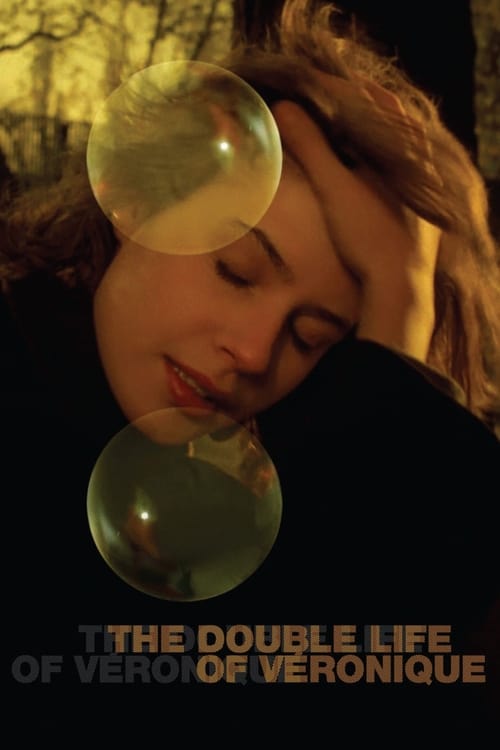
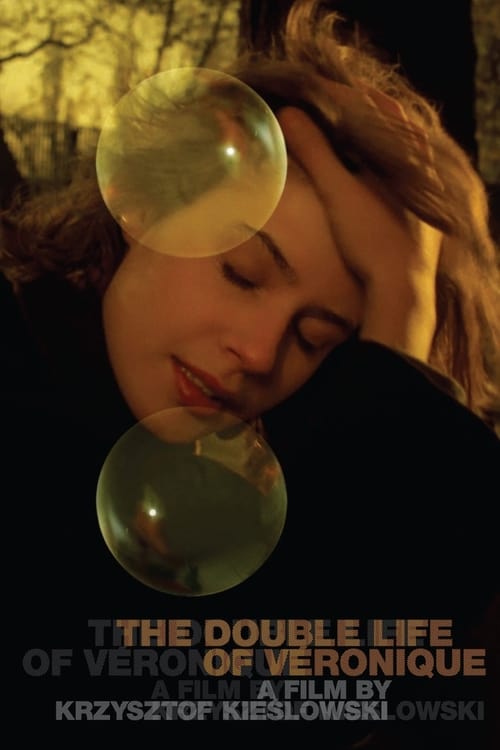
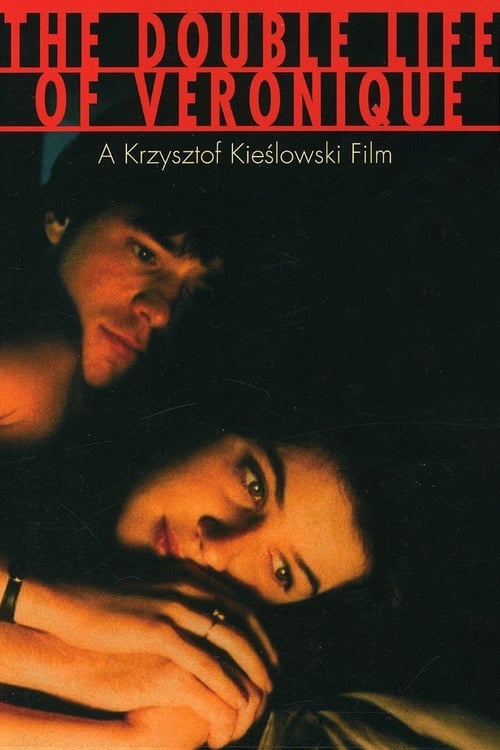
Double Life of Veronique poster 1 Double Life of Veronique poster 2 Double Life of Veronique poster 3
APR 17, 18 · Q&A APR 25
The Double Life of Véronique
🇫🇷/🇵🇱 French/PolishDir: Krzysztof Kieślowski1991 · 4K DCP · 98 min
Weronika in Kraków and Véronique in Clermont-Ferrand: two women, identical, who never meet but feel each other's presence across Europe like a phantom limb. When Weronika collapses onstage singing a Van den Budenmayer aria, Véronique — in the middle of a music lesson half a continent away — quits her singing career without being able to explain why. She later meets a puppeteer, and through him stumbles onto a photograph she doesn't remember taking. Irène Jacob, in her breakthrough performance, plays both women with a translucent inner light — her face does most of the film's work. Kieślowski's first French production and his first masterpiece of metaphysical intuition: shot by Sławomir Idziak through golden filters that make every frame glow like a reliquary, scored by Zbigniew Preisner with a made-up aria that became the 1990s' most recognisable art-house cue. A film about souls touching through the thin membrane of the world. Metrograph's Apr 25 screening features a Q&A with Irène Jacob in person.
📍 Metrograph · Thu Apr 17 4:15pm, Fri Apr 18 7:50pm, Fri Apr 25 7:45pm (Irène Jacob Q&A)
A Short Film About Killing poster 1 A Short Film About Killing poster 2 A Short Film About Killing poster 3
APR 17 · APR 22
A Short Film About Killing
🇵🇱 PolishDir: Krzysztof Kieślowski1988 · DCP · 84 min
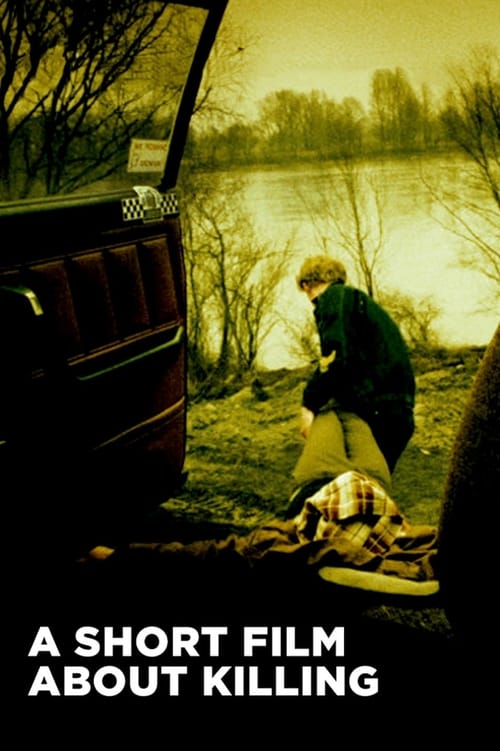
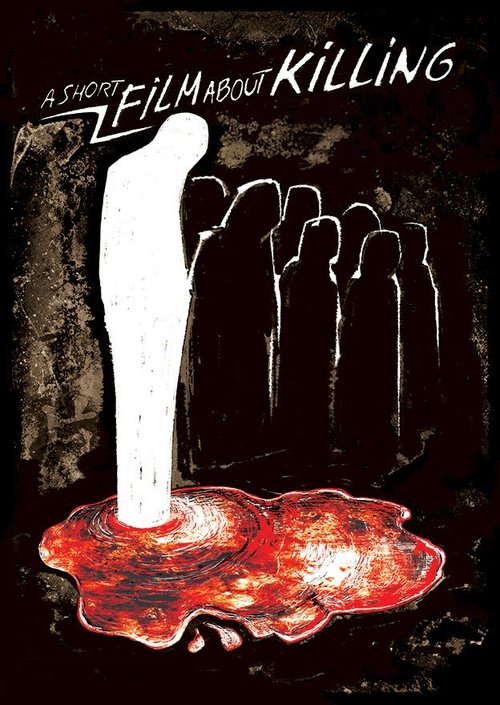
Dekalog V expanded to feature length. Three strangers in Warsaw on the same grey, poisoned day: a bored young drifter wandering the city with a length of rope in his coat pocket, a sour cab driver eating lunch in his taxi, a newly-qualified defense lawyer preparing for his first case. The first will murder the second more or less for something to do. The third will watch the state execute the first in equally methodical detail. Kieślowski and Sławomir Idziak shot the film through a custom green filter that blacks out the edges of every frame and makes Warsaw itself look diseased; the killing and the execution are both staged in full, in near real time, with a deliberate refusal to cut away. The result isn't exploitation — it's an argument. The film was credited with helping abolish capital punishment in Poland and won the Jury Prize at Cannes. Brutal, moral, unforgettable; one of the key films of the 1980s.
📍 Metrograph · Thu Apr 17 9:10pm, Tue Apr 22 2:00pm
Blind Chance poster 1 Blind Chance poster 2 Blind Chance poster 3
APR 18 · RARE
Blind Chance
🇵🇱 PolishDir: Krzysztof Kieślowski1981/1987 · DCP · 122 min
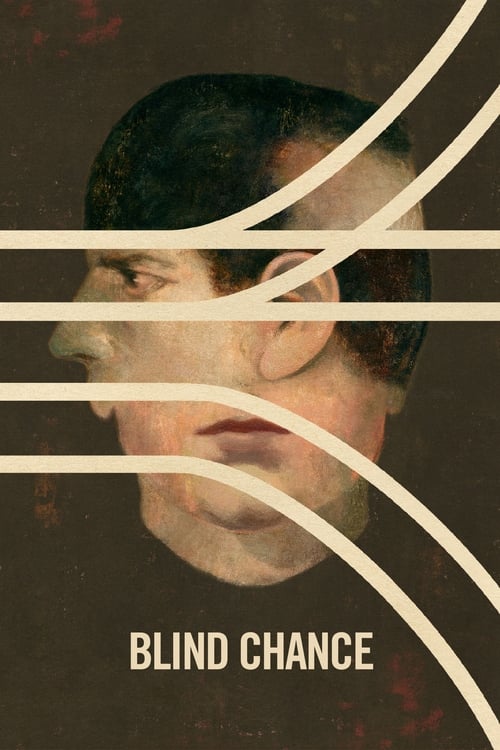
A medical student named Witek sprints down a train platform in Łódź trying to catch a departing train to Warsaw. Three times. Three versions of the same life unspool from those same three seconds of running: in the first he catches the train, meets a Party old-timer, and becomes a careerist apparatchik; in the second he misses the train, collides with a station guard, is arrested, and becomes a Catholic dissident; in the third he misses the train, meets nobody, quietly becomes a surgeon, falls in love, and boards a plane that is not what it seems. This is the template for every "sliding doors" film of the last forty years, but unlike its imitators it isn't interested in charm or coincidence — it's interested in how little of any life is actually chosen, and how much is just the angle at which you hit the platform. Shelved by the Polish censors for six years before its 1987 release. A hinge film in Kieślowski's career: the documentarian turning into the metaphysician. Rarely screened on DCP.
📍 Metrograph · Fri Apr 18 12:00pm
A Short Film About Love poster 1 A Short Film About Love poster 2 A Short Film About Love poster 3
APR 19 · APR 23
A Short Film About Love
🇵🇱 PolishDir: Krzysztof Kieślowski1988 · DCP · 86 min
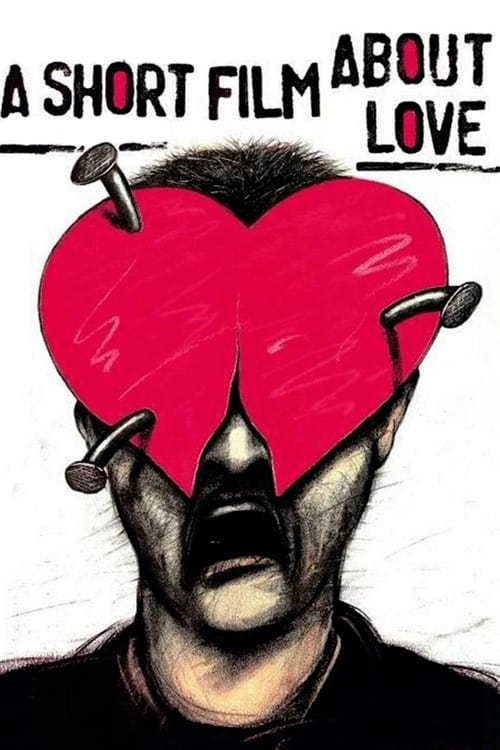
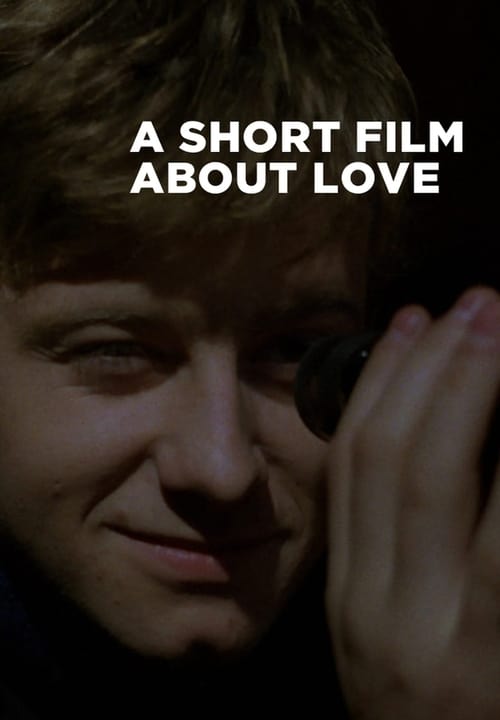
Dekalog VI expanded. Tomek, a nineteen-year-old postal clerk in a Warsaw high-rise, watches his older neighbour Magda through a stolen telescope at exactly 8:30 every evening — he steals her mail, makes prank calls, watches her undress, watches her with her lovers, watches her cry. When she finds out, she doesn't call the police. She decides, in a gesture that is either mercy or cruelty or both, to teach him what love really is, and the lesson destroys him. Sounds like a thriller; plays as a devastating inquiry into the difference between longing and knowing, adoration and contact, the image of a woman and the fact of her. Grażyna Szapołowska (Magda) and Olaf Lubaszenko (Tomek) give performances so precise they feel like evidence. The final exchange is one of the most quietly shattering endings in European cinema. Kieślowski's most direct film about the ethics of seeing — appropriate for a director who spent his career watching people.
📍 Metrograph · Sat Apr 19 5:10pm, Wed Apr 23 2:00pm
No End poster 1 No End poster 2 No End poster 3
APR 19
No End
🇵🇱 PolishDir: Krzysztof Kieślowski1985 · Digital · 107 min
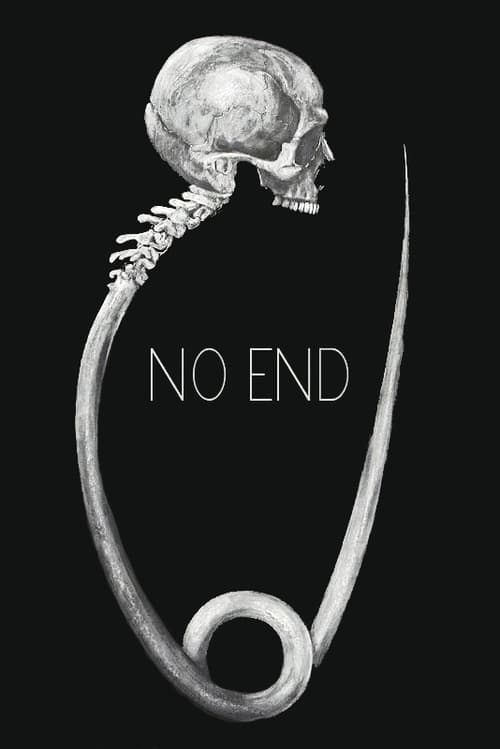
Warsaw, 1982. Poland is under martial law, Solidarity has been banned, and everyone Kieślowski knows is either in prison or pretending not to know anyone who is. A young lawyer dies of a heart attack in his study and watches, invisible, as his widow Urszula (Grażyna Szapołowska) and his old mentor try to live on without him — she drifting through erotic restlessness and grief, he reluctantly taking over the political case her husband left unfinished. Part ghost story, part political indictment, part love letter to a woman who cannot find her way back to the world of the living. Banned by the Polish state and denounced by the Catholic Church on opposite grounds; beloved by the audiences who actually saw it because it was the only film that described what their daily Poland felt like from the inside. Kieślowski's first collaboration with composer Zbigniew Preisner and writer Krzysztof Piesiewicz — the trio that would make everything that came after. Rarely revived.
📍 Metrograph · Sat Apr 19 2:15pm
Three Colors Blue poster 1 Three Colors Blue poster 2 Three Colors Blue poster 3
APR 23 · TRILOGY 1
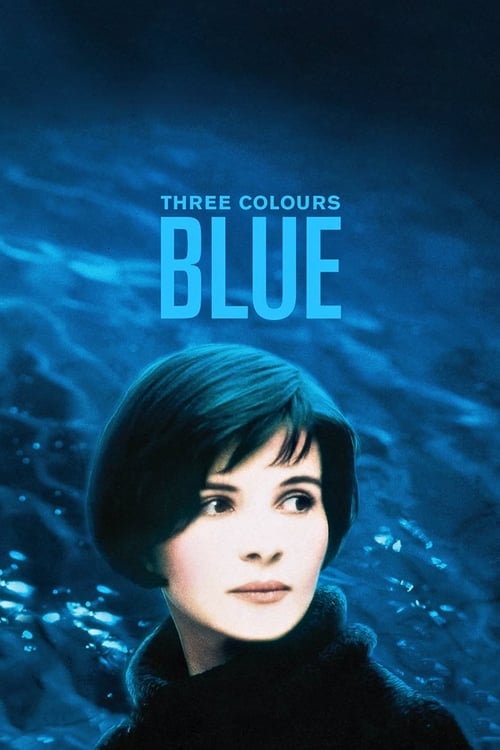
Three Colors: Blue
🇫🇷 FrenchDir: Krzysztof Kieślowski1993 · DCP · 98 min
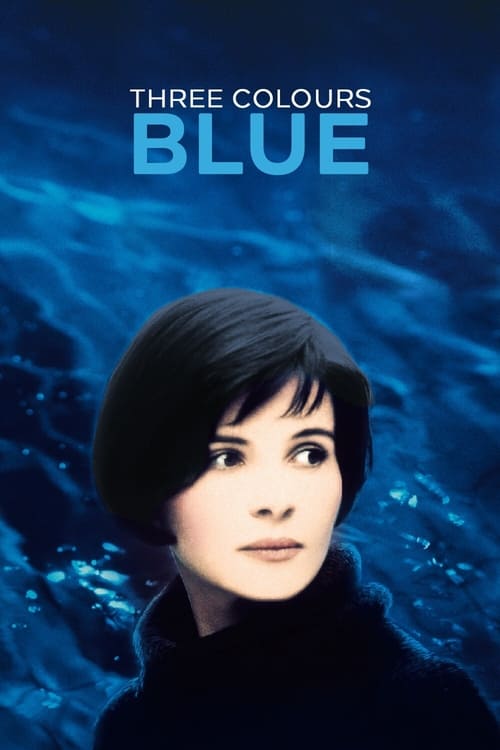
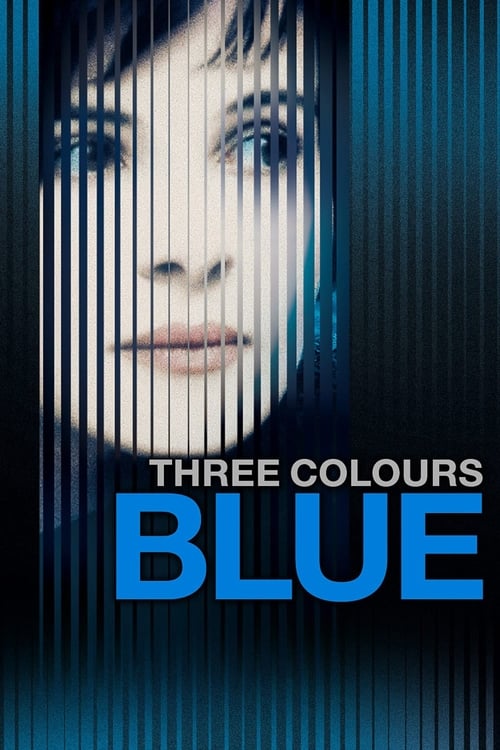
Liberty. Juliette Binoche as Julie, the wife of a famous composer who survives the car crash that kills her husband and her young daughter. Released from the hospital with nothing to go back to, she tries to disappear — sells the country house, empties the bank accounts, refuses her dead husband's last unfinished concerto, moves into an anonymous Paris apartment where nobody knows her name. But the concerto keeps coming back in fragments, carried on swells of Preisner music that rise out of absolute silence like blue water flooding the frame. Binoche's face does nearly all the work — she barely speaks — and Sławomir Idziak lights everything through a blue filter that turns grief into a kind of sacrament. First panel of the Three Colors trilogy (liberty / equality / fraternity). Won the Golden Lion at Venice.
📍 Metrograph · Wed Apr 23 4:00pm
Three Colors White poster 1 Three Colors White poster 2 Three Colors White poster 3
APR 23 · TRILOGY 2
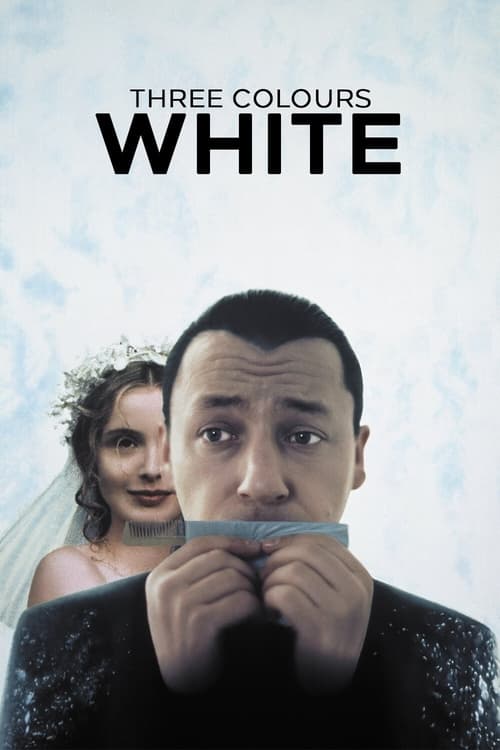
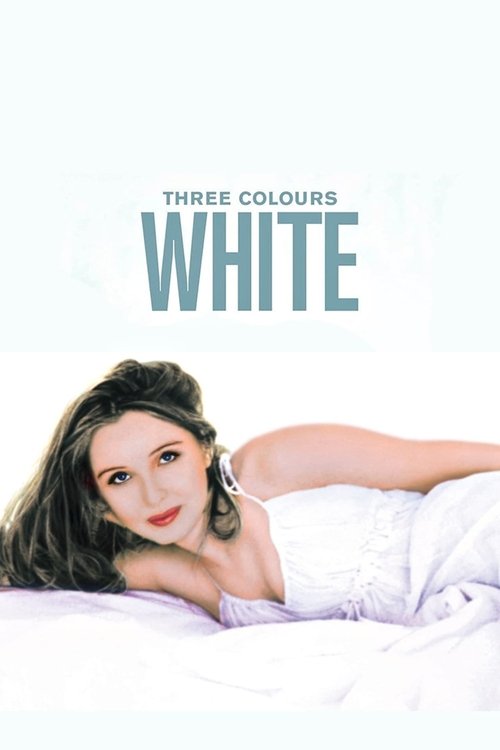
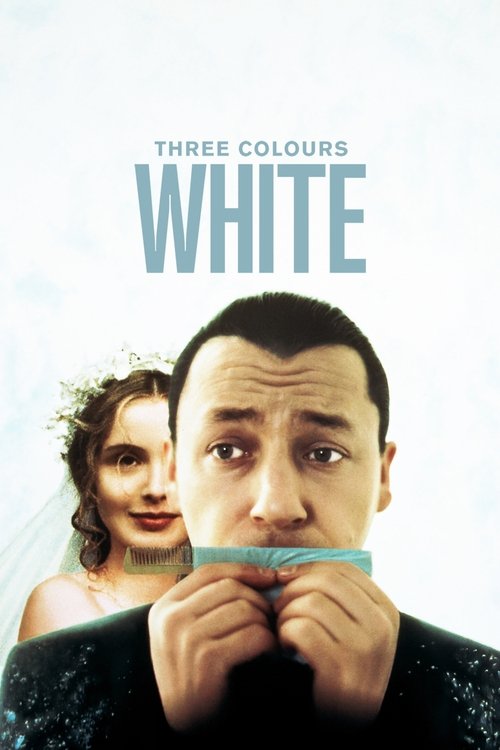
Three Colors: White
🇫🇷/🇵🇱 French/PolishDir: Krzysztof Kieślowski1994 · DCP · 92 min
Equality. The comic and most absurd panel of the trilogy. Karol Karol (Zbigniew Zamachowski), a Polish hairdresser living in Paris, is humiliated in open court by his French wife Dominique (Julie Delpy), who divorces him, empties his accounts, and kicks him out on the street. He smuggles himself back to post-Communist Warsaw inside a suitcase, loses his ear but not his instincts, remakes himself as a suddenly-wealthy real-estate tycoon — and plans an elaborate revenge that is also, maybe, a love letter. Cold, witty, strange, and the most Polish of the three — its cruelty is the cruelty of marriage, not of the French state. A note on pacing: White is often called the weakest panel of the trilogy because it's funny; a quarter-century on, its dry fatalism feels like the sharpest thing Kieślowski ever shot.
📍 Metrograph · Wed Apr 23 6:00pm
The Scar poster 1 The Scar poster 2 The Scar poster 3
APR 25 · FIRST FEATURE
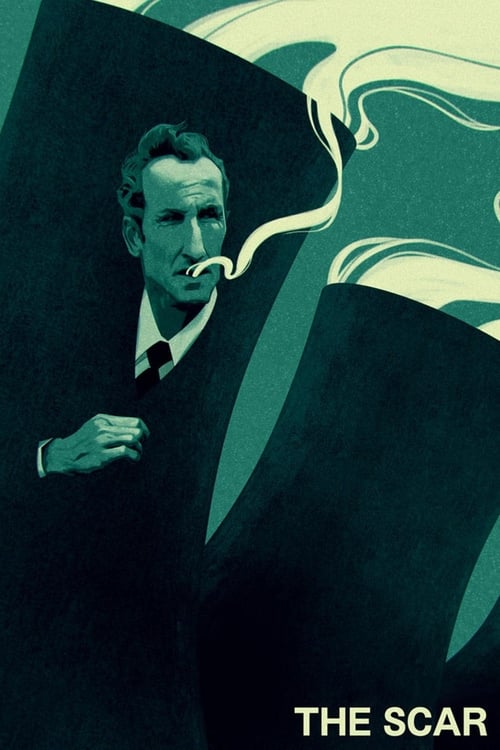
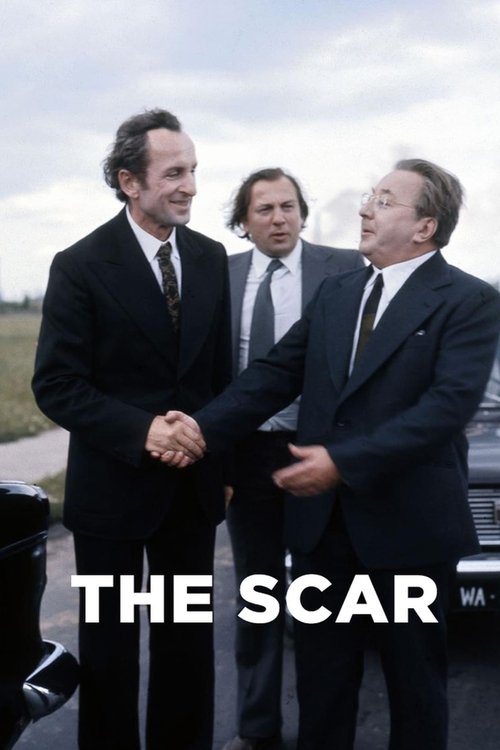
The Scar
🇵🇱 PolishDir: Krzysztof Kieślowski1976 · Digital · 112 min
Kieślowski's first fiction feature, made at thirty-five after a decade of documentary work. A new chemical factory is to be built outside a small town in western Poland. The Party sends Stefan Bednarz, an earnest middle-aged director who once lived in the town and genuinely believes the project will improve lives, to oversee construction. What he discovers instead is that good intentions and bureaucratic reality speak two different languages — the townspeople don't want the factory, his Party superiors don't want complications, and the men under him just want to keep their jobs. The film is shot in the dogged social-realist style of 1970s Polish cinema, early and unsure in voice, but already recognisably Kieślowski: more interested in the gap between what people say and what they actually do than in any ideology, and already tuned to the small private costs of public decisions. An essential film for anyone tracking how the documentarian became the metaphysician. Rarely screened outside Poland.
📍 Metrograph · Fri Apr 25 5:40pm
Camera Buff poster 1 Camera Buff poster 2 Camera Buff poster 3
MAY 1
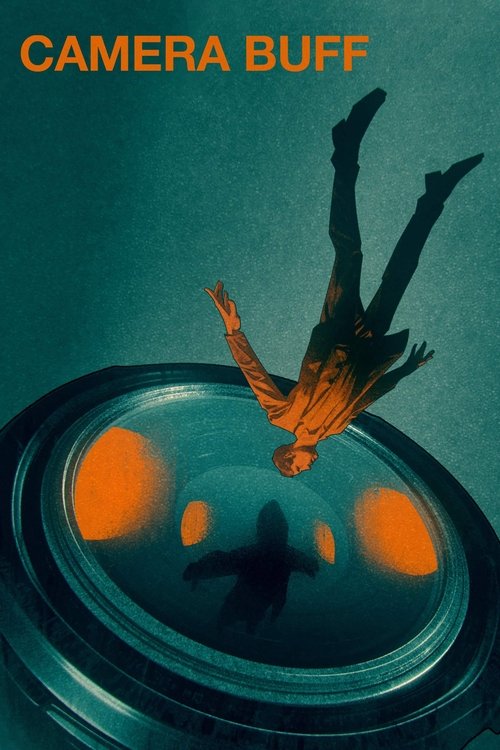
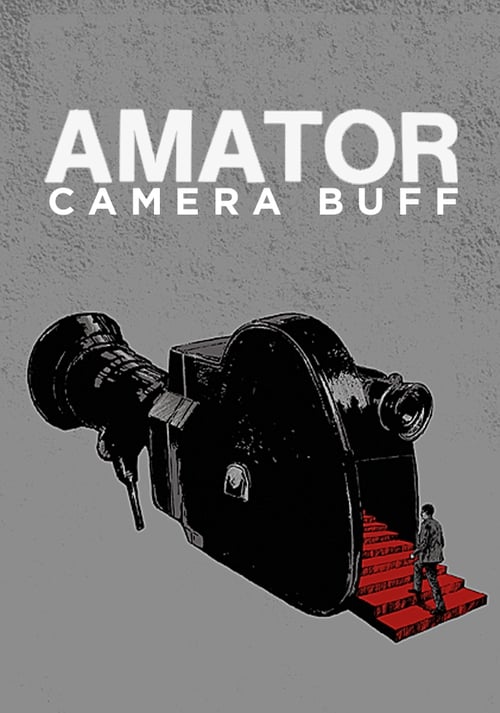
Camera Buff
🇵🇱 PolishDir: Krzysztof Kieślowski1979 · DCP · 112 min
Filip (Jerzy Stuhr, in a small miracle of a performance) buys an 8mm camera to film his newborn daughter. Within a few months he is filming everything — factory life, local Party meetings, a colleague's funeral, his wife, his boss, himself — and the simple act of pointing the camera at the world begins to rearrange his marriage, his job, and his sense of what is true. Every film he makes exposes something the people around him wanted left covered. Kieślowski's most autobiographical and most openly moral fiction, a cousin to Wenders' The State of Things and a rehearsal for the moral vertigo that would later fuel Dekalog. It's the film that closed Kieślowski's documentary period and opened his fiction one — a director arguing, on film, with the ethics of his own previous decade of work. Won the Golden Prize at Moscow. Quietly one of his best.
📍 Metrograph · Fri May 1 7:00pm